
How To Get Started Playing Padel
Why Padel Feels Natural For Beginners
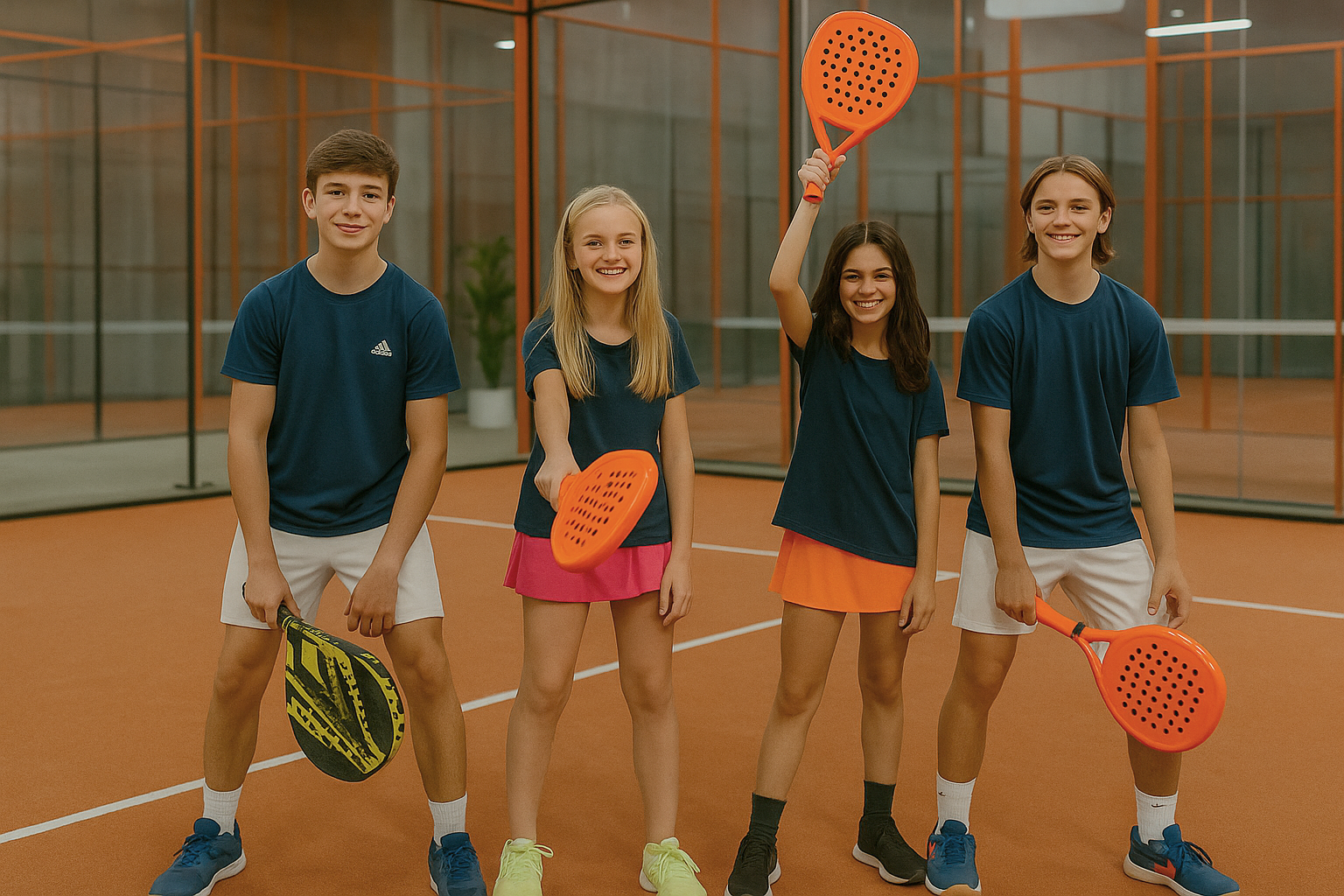
Padel lowers the barrier to entry for new players. The court is compact, the movement patterns are controlled, and the underhand serve reduces the pressure that often comes with learning a racquet sport. Even complete beginners find themselves able to rally quickly because the rebound from the walls provides extra reaction time and keeps the ball moving in a predictable way.
Padel United Sports Club is located in Bergen County and attracts newcomers from across the region, including many players traveling from the Padel Upper West Side area. The sport’s rhythm appeals to beginners because rallies are steady, not frantic. With four players on court, the game feels social and shared rather than isolating.
Padel also encourages natural communication. Since it is always played in doubles, players learn together, coordinate positioning, and build confidence through teamwork. This creates a welcoming environment where newcomers feel supported from the very beginning.
Wellness enhances the learning experience. Many new players warm up in the gym or fitness center before stepping on court to improve mobility and stability. After their session, they unwind in the sauna, cold plunge, hot plunge, or hot water pool. This approach helps players manage their energy, recover between sessions, and maintain a routine that connects movement with overall wellbeing.
What Is Padel?
Padel is a racket sport blending elements of tennis and squash while using its own unique equipment and court style. The racket has a solid surface with perforations, which creates a stable contact point that helps beginners develop control. The ball has slightly lower pressure than a tennis ball, making rallies manageable and easier to read.
The game is structured exclusively around doubles play. This encourages shared responsibility and reinforces communication from the very first day. Rather than relying on a single player to cover large areas, both partners support each other and develop coordinated movement.
The pace of padel is controlled through timing rather than power. Players rely on clean contact, placement, and thoughtful positioning instead of large swings. This creates a smooth learning curve where technique evolves naturally through repetition and pattern recognition.
How The Court Works
A padel court measures 20 by 10 meters and is enclosed by glass walls and metal fencing. Shots remain in play when they bounce and then hit the glass. This structure creates longer rallies and allows beginners to defend shots that would be unreturnable in other racquet sports.
The net divides the court into two halves, each containing service boxes. Serves must bounce behind the service line and be hit underhand. After the serve, players use a mix of volleying, ground strokes, and wall rebounds to keep the rally alive.
The court promotes strategic movement. Players typically allow deep shots to reach the back glass before returning them, while shorter balls are intercepted earlier. Doubles teams shift laterally to cover angles and maintain court balance. This encourages anticipation and awareness without requiring excessive speed.
Understanding how the ball reacts off the walls is one of the biggest turning points for beginners. Once players learn to predict the trajectory after the rebound, they gain control, reduce rushed errors, and begin to shape rallies more intentionally.
Basic Steps To Get Started
Find A Court
Beginners benefit from playing in a consistent, supportive environment. Padel United Sports Club is located in Bergen County and offers indoor courts with reliable lighting and even bounces. Players often enhance their sessions with the club’s wellness amenities, using the sauna, hot plunge, cold plunge, or hot water pool for recovery. The Oasis Day Pass provides access to the full wellness space and allows newcomers to combine learning with restorative routines.
Select Beginner Gear
A round shaped racket helps new players find the sweet spot more consistently. Low pressure padel balls create a predictable bounce that supports longer rallies. Proper footwear with good lateral stability helps players move comfortably and safely on the synthetic turf surface.
Learn Movement And Positioning
Efficient movement is central to padel. Players focus on short steps, balanced posture, and steady repositioning rather than large, fast strides. Coaches at Padel United Sports Club guide beginners through fundamental patterns such as recovering toward the middle, preparing early for the rebound, and coordinating court coverage with a partner.

Understanding Basic Rules
Serving Basics
Serves must be struck underhand below the waist after one bounce. They travel diagonally into the opposite service box. A serve that lands correctly and reaches the back glass remains in play, while serves that strike the cage before landing are considered out.
Ball In Play
After the serve, the ball may bounce once and then hit the walls while staying active in the rally. A ball that hits the wall before bouncing is out. If the ball bounces twice on a team’s side, that team loses the point.
Scoring System
Padel uses the 15, 30, 40, and game sequence familiar to tennis. A set is won by reaching six games with a two game lead. Matches often follow a best of three sets structure.
Why The Walls Help Beginners
The walls give players more time to adjust to incoming shots. Beginners can allow deep balls to rebound off the glass before swinging, helping them regain balance and reset their positioning. This makes the sport more forgiving than games where points end the moment a player is late to the ball.
Tips For Progressing Faster
Focus On Control
Beginners improve steadily when they make clean, controlled contact rather than relying on force. Smooth swings and thoughtful placement build consistency.
Trust The Glass
Allowing the ball to reach the back wall before returning it is one of the strongest foundational skills in padel. It creates extra time and reduces unforced mistakes.
Communicate With Your Partner
Doubles play improves rapidly when partners call shots early, coordinate movement, and maintain awareness of each other’s position.
Stay Patient
Padel rewards calm, steady decision making. New players progress faster when they focus on timing, spacing, and understanding the rally rather than rushing to finish points.
Wellness Facilities That Support Your Training
Wellness completes the beginner journey by supporting recovery, mobility, and overall comfort. The gym and fitness center help players prepare before sessions through warm ups that activate the core and legs. After playing, the sauna relaxes muscles, the hot plunge eases tension, the cold plunge refreshes the body, and the hot water pool provides gentle decompression. This routine helps players maintain consistency as they learn, especially those balancing work and travel from the Padel Upper West Side community.
Frequently Asked Questions
What equipment do beginners need to start playing padel?
Players typically begin with a round shaped racket, low pressure padel balls, and shoes designed for lateral movement. Rackets can be borrowed at the club while learning.
How does the underhand serve work in padel?
The serve must bounce once behind the service line and be struck below the waist into the opposite service box. Once it lands correctly, the point begins.
Why are the walls important in padel?
The walls extend rallies by offering a controlled rebound that helps beginners adjust their timing, regain balance, and prepare for the next shot.
Is padel easier to learn than tennis?
Padel is often easier for beginners due to the smaller court, simplified strokes, slower ball, and underhand serve.
How does scoring work in padel?
The sport uses the standard 15, 30, 40, and game progression. A set is won at six games with a two game lead, and matches are usually best of three sets.
What New Players Notice As They Improve
As beginners spend more time on court, their timing becomes sharper and their movements more coordinated. They learn how to control rebounds from the back glass, how to shift with their partner during rallies, and how to place the ball with more intention. Their footwork turns smoother and more efficient, leading to more consistent points.
Players also grow more comfortable reading the pace of the game. Instead of reacting to every bounce with urgency, they begin to sense when to step forward, when to reset, and how to direct the ball to areas that create space.
Wellness remains a valuable complement to their training. The gym supports strength and mobility, while the hot plunge, cold plunge, sauna, and hot water pool help players recover so they can return with better energy for their next session. This balance between practice and restoration helps beginners develop a steady, enjoyable routine.
